
How To Pick a Front Door Color That Transforms Your Curb Appeal
When people visit your home, the front door is the very first thing they notice, and it speaks volumes about your style and personality. That’s why, in this post, we’ve put together everything you need to know about how to pick a front door color that transforms your curb appeal.
Get ready to explore color choices that welcome guests warmly, make bold statements, or keep things timeless, along with practical tips to perfect the finishing touches.
Understanding Curb Appeal Before Choosing Door Paint Colors
Before you pick that perfect door color, it helps to understand why curb appeal matters and how the right shade can shape your home’s first impression.
The Role of Front Door Colors in Curb Appeal
Have you ever bought a book just because the cover looked great? Well, your front door also gives off the same. Your visitors should be able to guess immediately what your interior looks like just by looking at your front door.
Oftentimes, I remind homeowners that even if a full exterior makeover isn’t on the cards, updating the door color alone can shift how people see your home.
Want to ditch the regular?
A bold color grabs attention. Think bright colors such as blue, red, emerald green, orange, or even pink. Maybe you want to play it safe. You might consider timeless colors that have subtle yet classic shades. Some of them include brown, grey, beige, and so on.
At the end of the day, the trick is finding the balance between class and a perfect blend with your surroundings.
Matching Your Door Color to Architectural Style
The fact is: different homes have different personalities. So, your door color should play a part in that story. Take Colonial homes, for example. They often look sharp with deep navy or classic black.
Craftsman styles? Earthy greens and reds tend to feel just right there. And if you’re into Modern Farmhouses, neutrals like crisp white or dark gray often steal the show.
But that’s not all. How your door color plays with the trim and siding matters just as much. For example, creamy trim can soften the boldness of a red door, while bright white trim helps forest green doors pop with fresh contrast. This balance helps your home make an inviting, polished statement.
How To Pick a Front Door Color Using the Color Wheel
Choosing the right front door color can feel overwhelming, but the color wheel is an easy guide that takes the guesswork out of the process. By understanding how colors relate to each other, you can create a look that’s both striking and harmonious.
The Color Wheel 101 for Door Paint Colors
While artists are known for creating magic with the color wheel, anyone else can also benefit from it. What you need to know is complementary colors (those opposite each other on the wheel), analogous colors (neighbors sitting side by side), and monochromatic palettes (shades of the same color). All of these give you direction and confidence.
For instance, a deep forest green door paired with red brick creates a balanced but eye-catching contrast because green and red sit across from each other on the wheel.
Trim colors add another layer: a black door against white trim feels bold and crisp, while a pastel door with cream trim softens the whole look into something more sophisticated.
Balancing Bold Colors vs. Neutral Choices
Choosing between making a statement with bold colors or sticking to timeless neutrals comes down to your personal style and the context of your home.
The 60-30-10 design rule is a simple way to find balance: 60% of your exterior is the main color (like siding), 30% is secondary (trim), and 10% is your accent, often the front door.
Monochromatic schemes are popular too, like a dark gray door paired with lighter gray siding for a polished, cohesive look.
Colors also evoke feelings, so picking the right shade can set a mood:
- Red: warmth, energy, welcome
- Blue (navy): calm, trust, tradition
- Green (forest): growth, balance, grounding
- Yellow: optimism, cheerfulness, friendliness
- Black: strength, elegance, sophistication
- White: purity, cleanliness, simplicity
- Gray (dark/light): neutrality, stability, balance
- Purple (eggplant): creativity, luxury, elegance
- Pink (blush pastel): softness, charm, sophistication
Take navy blue, for example: it feels both classic and fresh, especially alongside brick or stone. Red doors have long symbolized hospitality and welcome. Pastels like blush pink bring softness without losing style, while eggplant purple shows a homeowner ready to embrace creativity and grace.
Classic and Timeless Front Door Color Choices
A monochromatic scheme can be especially useful for small homes, visually expanding their size by creating a seamless, cohesive look. But when it comes to timeless options, a few colors never go out of style.
Why a Black Front Door Never Goes Out of Style
Only a few colors exude sophistication the way black does. A black front door instantly communicates elegance and authority, making it a universal favorite across architectural styles. It works beautifully with Georgian and Colonial homes, but also feels sleek on a modern exterior.
The Allure of Dark Gray as a Door Paint Color
If black feels too heavy but you still want depth, dark gray is an ideal choice. It’s versatile, modern, and works equally well on traditional and contemporary houses. On lighter exteriors, like white siding, a dark gray door adds contrast without harshness.
On darker homes, it blends subtly, adding depth without pulling focus. This balance is why we often recommend dark gray front doors to clients seeking a sophisticated middle ground.
White and Other Neutral Front Door Colors
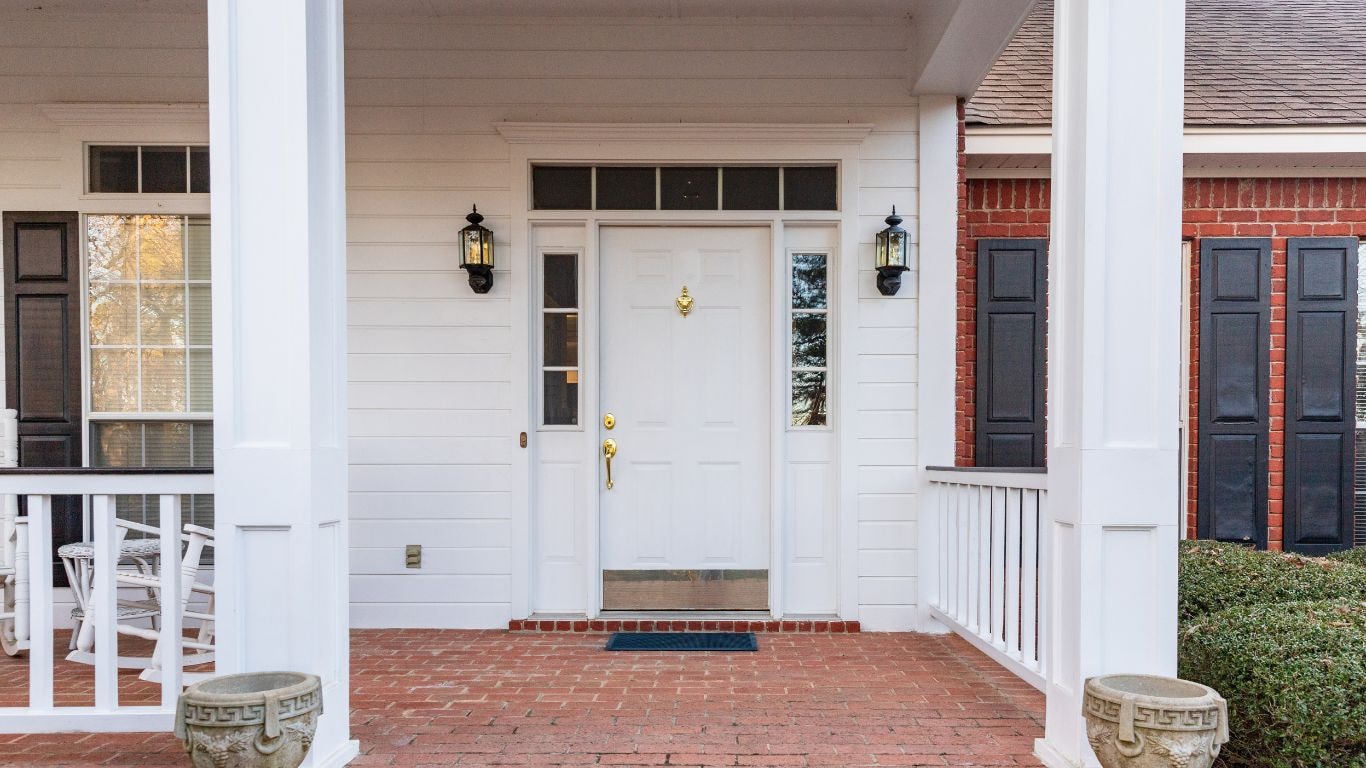
White remains the go-to option for homeowners who want brightness and a welcoming feel. A white front door offers a crisp, clean look that pairs well with darker siding and creates high contrast against materials like navy, charcoal, or brick.
Other neutrals, like beige or taupe, also improve curb appeal when subtle elegance is the goal.
In our experience, neutrals often work best when homeowners want flexibility with seasonal décor, since wreaths, plants, and accents always stand out beautifully against a clean backdrop.
Bold and Eye-Catching Front Door Colors that Work
A bold front door color can refresh a home’s look without any structural changes. Choosing a contemporary shade for the door alone can bring new life to older houses, allowing historic features to remain while giving the exterior a fresh feel.
Non-traditional colors have a way of revitalizing classic homes without overshadowing their character.
The Power of a Bold Color on Your Front Door
Bold colors create instant character and a clear focal point. The rule of thumb: when the door color is strong, simplify the rest. Choose hardware and lighting that complement rather than compete. A vivid door tells visitors, “This house has personality, step inside.”
Forest Green: A Fresh Yet Classic Choice for Your Front Door
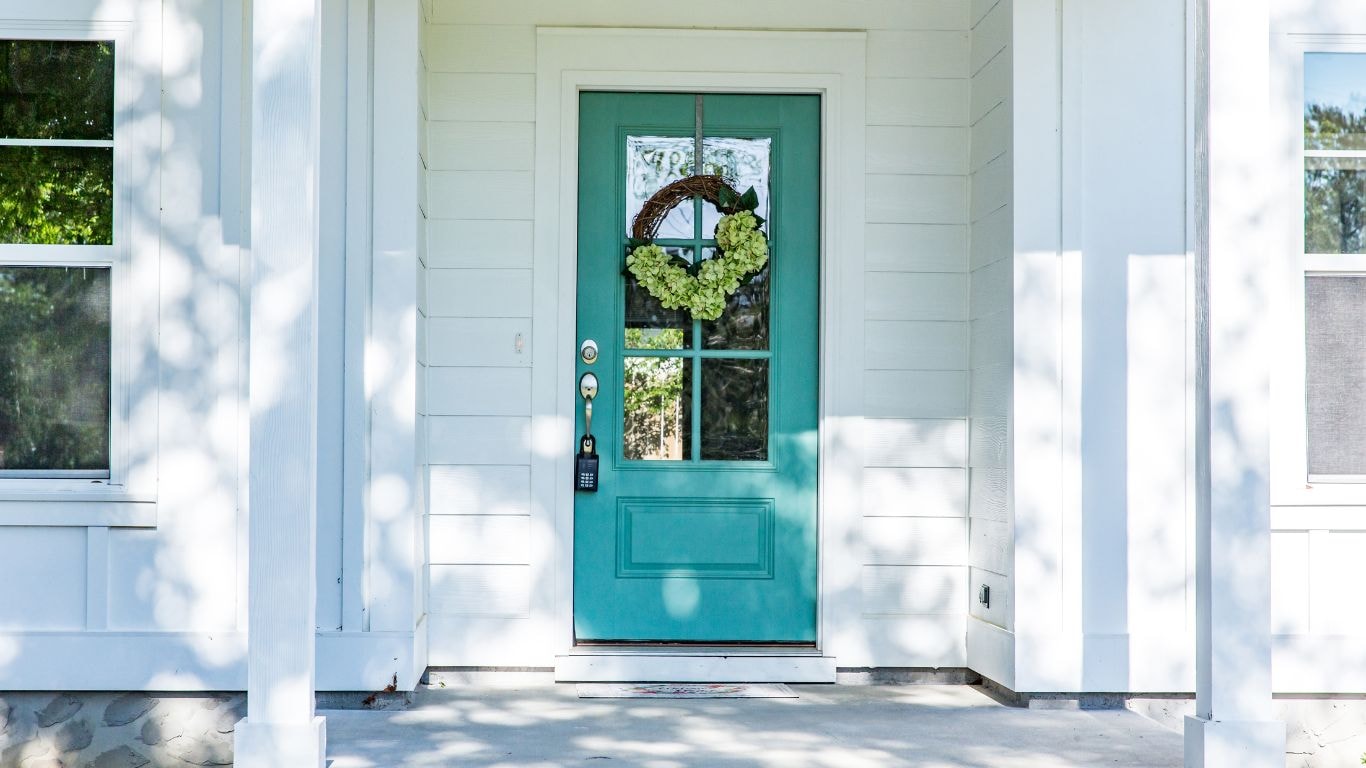
Forest green is earthy and refined. It reads as both contemporary and rooted in tradition, especially effective with stone, brick, and natural wood. If your home is surrounded by trees or has stone elements, forest green creates a seamless, elegant connection to the landscape.
Considering Your Home’s Surroundings and Neighborhood
Neighborhood context matters in n historic districts or HOA communities. A wildly unconventional color can cause friction or run afoul of rules. That said, you can still make tasteful choices. Choose tones that complement the palette of surrounding houses while introducing personality through saturation and finish.
If you’re in a no-PAINT HOA, check the rules first. If they allow a range, often a slightly muted version of a bold color (e.g., slate blue instead of electric blue) hits the sweet spot.
Nature-Inspired Door Color Choices
Let the landscape guide you. For example, beach homes read well in sea-glass blues and corals; wooded homes thrive in mossy greens and deep charcoal; and urban rowhomes pair elegantly with saturated jewel tones or classic black.
Keep this in mind: the environment should inform your decision, because your goal is cohesion, not competition.
Practical Tips on Door Paint Color, Finishes, and Durability
Taking care of your front door’s paint requires choosing products and finishes that can stand up to whatever the weather and daily wear throw at them. Let us consider them in more detail.
Choosing the Right Door Paint Color Formula and Finish
Front doors get brutal treatment, ranging from direct sun, rain, and hand oil, to scuffs. Therefore, paint choice matters. Consider the following:
Finish: Gloss or semi-gloss is usually best for doors because it’s durable and easy to clean. If you prefer less shine, a satin or low-sheen enamel balances look with performance.
Paint Type: For wood and fiberglass, premium 100% acrylic latex exterior paint is a great all-purpose choice. They are flexible, UV-resistant, and breathable. For metal doors, consider an oil-based or an exterior enamel formulated to resist rust and adhere to metal.
What to look for in high-quality exterior-grade paint:
- High pigment load (better coverage and color retention)
- UV and fade resistance (prevents bleaching)
- Mildew and moisture resistance for humid climates
- Good adhesion and flexibility to handle expansion/contraction
- Manufacturer-backed exterior warranties or guarantees
I recommend using paints labeled specifically for exterior doors or trim, as they are formulated for higher abrasion resistance.
Durability and Maintenance Tips
- Choose paints labeled UV-resistant for sunny climates.
- Recoat every 8–10 years or sooner if the finish shows wear.
- Wipe down doors seasonally to remove dirt and oils.
- Refinish or touch up hinges and high-contact edges more often.
Testing Your Front Door Color Before You Commit
Choosing a front door color is a big decision, and seeing the shade in person before fully committing can save you from regret. Testing paint samples helps you understand how the color truly looks in your home’s unique light and setting.
Why Samples Matter
Photos lie, screens distort, and small swatches are misleading. So, always test full-size samples on the door itself or on large boards mounted next to the entry. Paint several samples in the actual finish you plan to use so you can see the true look in context.
Having worked with a lot of homeowners, I have experienced firsthand how disappointed they become after skipping this step and discovering that their “perfect” shade looked completely different once applied.
How to Test Shades at Different Times of Day
Place your sample panels and observe them morning, noon, and evening. Natural light shifts dramatically throughout the day. What reads warm and inviting at 8 a.m. might look flat or dull by 5 p.m.
Also check the samples under your exterior lighting at night since porch or landscape lights can cast a different tone. This ensures you’re choosing a color that feels consistent and appealing around the clock.
How To Paint Your Front Door
Painting your front door the right way ensures the color lasts. Here’s a step-by-step guide:
- Prepare the Surface: Clean the door thoroughly with mild soap and water, then sand lightly to smooth rough areas. This helps paint adhere properly and avoids an uneven finish.
- Apply a Primer: Use an exterior-grade primer suited for your door material. Primer blocks stains, improves adhesion, and ensures your chosen color looks vibrant.
- Choose the Right Paint Formula: Water-based latex paints are best for most wood species and fiberglass doors. Oil-based enamel paints work well for metal doors, especially if rust prevention is needed.
- Don’t Forget the Quality: Always choose high-quality exterior paint with UV resistance, mildew protection, and weather durability. Premium brands often offer warranties of 8–10 years before a repaint is needed.
- Select the Right Finish: Gloss and semi-gloss finishes are ideal for front doors because they’re durable, easy to clean, and highlight architectural details beautifully.
- Apply the Paint Efficiently: Use a brush for edges, panels, and detailed sections, and a roller for flat, larger areas. Quick-drying paints allow you to finish in a single day if you plan carefully.
- Let It Cure Properly: Even if the paint feels dry to the touch, allow several days for it to fully cure before heavy use. This prevents premature scuffs or peeling.
Extra Design Touches That Enhance Your Front Door
Your color choice is only part of the equation. Hardware like handles or knockers can add personality and sophistication. A matte black knocker pops beautifully on a crisp white door, while brushed brass can elevate a forest green entry. Coordinate fixtures with porch lighting to tie the whole entryway together.
Seasonal Décor and Styling
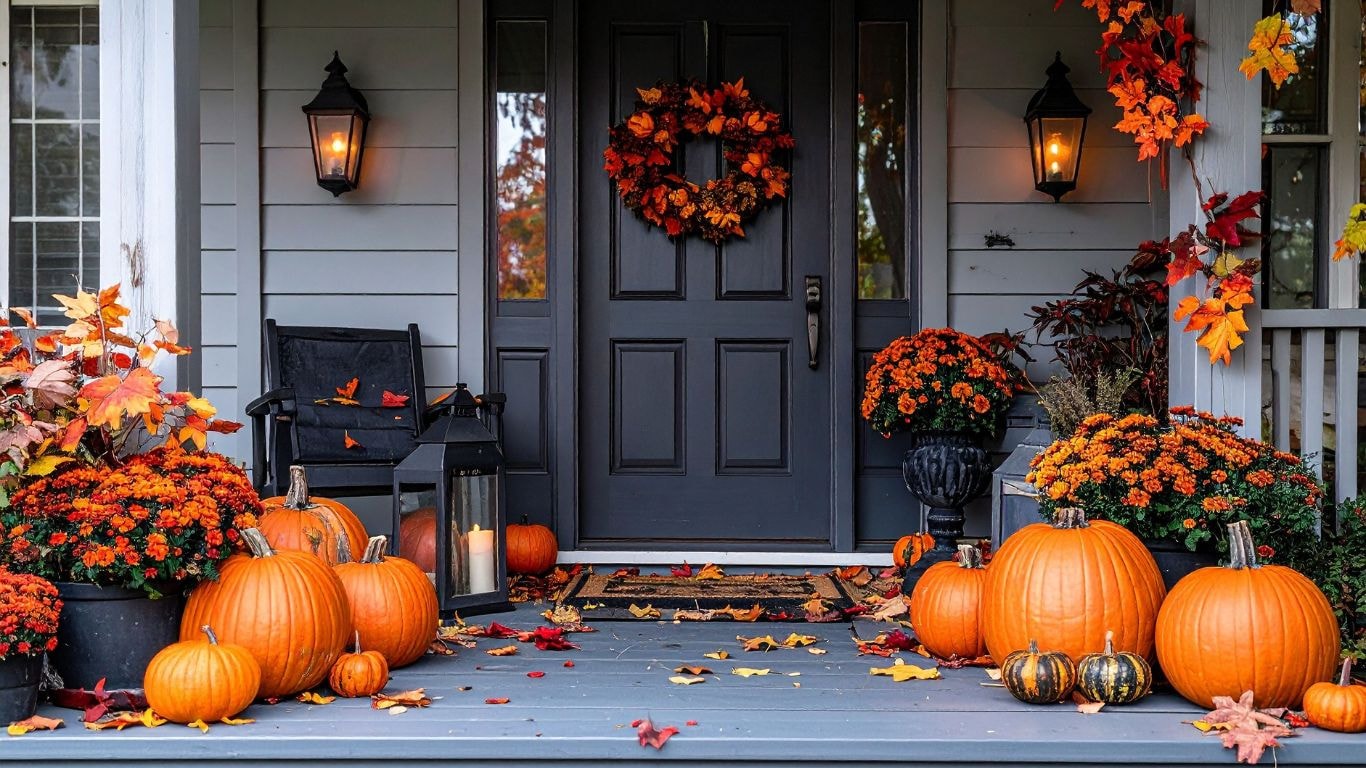
Wreaths, potted plants, and seasonal décor can complement your door color without overshadowing it. For example, a navy door with autumnal planters feels cozy, while a pastel door with spring florals reads fresh and inviting.
The key is balance. Use accessories to enhance, not compete with, your chosen paint.
Final Thoughts: How To Pick a Front Door Color With Confidence
Choosing the perfect front door color is a chance to express your personality while honoring your home’s unique style and lasting appeal. Don’t hesitate to try bold, exciting shades, but also know that timeless colors like black, dark gray, and crisp white never go out of style and always boost curb appeal.
Now it’s your turn. Take what you’ve learned and give your front door the fresh look it deserves. However, if you need professional insight into exploring front door colors, don’t hesitate to reach out. We’re here to help you every step of the way.
Frequently Asked Questions
What Is the Best Color for a Front Door?
Black is a universally appealing choice because it signals elegance and works well across architectural styles. Still, the “best” color depends on your home. Colonial homes often stand out with deep reds or navy blues. Modern farmhouses look fresh with crisp white or dark gray. Coastal homes pair beautifully with soft blues or seafoam greens.
What Are the Three Colors Not To Paint Your Front Door?
While no rule is absolute, some colors hurt curb appeal or resale value.
- Neon or fluorescent shades: They fade quickly and clash with natural surroundings.
- Overly trendy hues: Colors like millennial pink or lime green may date your home.
- Clashing tones: A bright orange door on deep red brick, for instance, can overwhelm rather than complement.
Should the Front Door Be Darker or Lighter Than the Shutters?
Traditionally, the front door is darker or more saturated to create a focal point, while shutters act as accents. For example, a charcoal door with lighter gray shutters looks sophisticated, while a soft blue door with navy shutters can create charm on cottages or beach houses.
What Color Front Door Sells Best?
Real estate studies show that black and dark navy doors often yield higher resale prices. They signal security, timelessness, and broad appeal.