
How Much Does It Cost To Replace Windows in 2025?
One of the questions we get asked most often is, “How much does it really cost to replace windows in 2025?” And honestly, it’s a great place to start, because changing your windows isn’t just about swapping one pane of glass for another.
The price you’ll see can vary quite a bit, usually somewhere between $300 and $1,000 per window, depending on what you choose.
But there’s a lot more behind those numbers. So keep reading to get the full picture and learn what factors really make your window replacement project come together.
Factors That Influence How Much It Costs To Replace Windows
Understanding these details upfront can help you make smarter choices and get the best value for your investment.
Let’s break down the biggest pieces that shape your window replacement costs in 2025.
Window Material and Glass Type: Why Your Choices Matter
The two biggest parts of your window’s price are usually the frame and the glass, and both impact not just your initial cost. However, it is important to consider how well your windows hold up over time and how much they can save you on energy bills.
Glass Options
When it comes to glass, you have a few options. Single-pane windows might seem like the cheapest way to go, but they’re almost outdated these days because they let heat and cold slip through easily.
On the other hand, double-pane glass is the sweet spot for most homeowners, balancing upfront cost with solid energy efficiency. Triple-pane windows take things further, providing better insulation and sound control. This is especially useful if you live somewhere really cold or noisy, or if you plan to stay in your home for many years.
You can also think about upgrades like Low-E coatings or filling the space between glass panes with argon or krypton gas. These add a bit to your initial bill, but trust us, they pay off by keeping your home more comfortable and trimming your heating and cooling costs.
That’s the kind of comfort upgrade that really sticks with you.
Frames
On the frame side, your choice influences both style and durability, as well as price.
- Vinyl frames are usually the most affordable and low-maintenance option, great for most climates and typical replacements.
- Wood frames bring classic, custom windows but come with a higher price and upkeep, such as painting or staining.
- Fiberglass windows cost more upfront but deliver excellent energy efficiency and last a long time, making them a smart pick if you’re focused on durability.
- Lastly, according to the US Department of Energy, aluminum frames tend to be less expensive. Still, they aren’t as energy efficient without special thermal breaks, making them more popular in commercial or modern-style homes.
Labor and Installation: The Hidden but Crucial Expense
Here’s a piece people often underestimate: installation. Properly installing a window can make or break your window’s performance.
Labor costs anywhere from $100 to $300 per window, depending on how complicated the job is.
Now, swapping a window into an existing frame is quicker and cheaper. On the other hand, removing and replacing the entire frame usually takes more time and skill to get everything sealed and finished correctly.
If your project needs new framing, repairs, or trim replacement, expect the labor costs to rise accordingly. That’s why we at Modern Restoration always suggest asking for a detailed, line-item quote, so you know exactly what you’re paying for.
From products to carpentry and finishing, we provide a detailed breakdown of the costs to help you avoid surprises.
Average Cost Ranges You Can Expect in 2025
Prices can fluctuate based on your location and the specifics of your project.
Usually, replacing a single window typically falls around the mid-$500 range. However, costs can stretch from a few hundred dollars up to nearly $1000 per window based on the options you pick.
For bigger upgrades or premium materials, the price moves higher. For example, some windows cost over $2,000 each. If you’re tackling a whole-house replacement with 20 or more windows, expect the total to be between $8,000 and $20,000 or more, with discounts usually applied when buying in bulk.
Understanding these factors helps you narrowly focus on what matters most for your home and budget, so you get windows that feel right, not just look right on paper.
Comparing Window Styles: How Much Does It Cost?
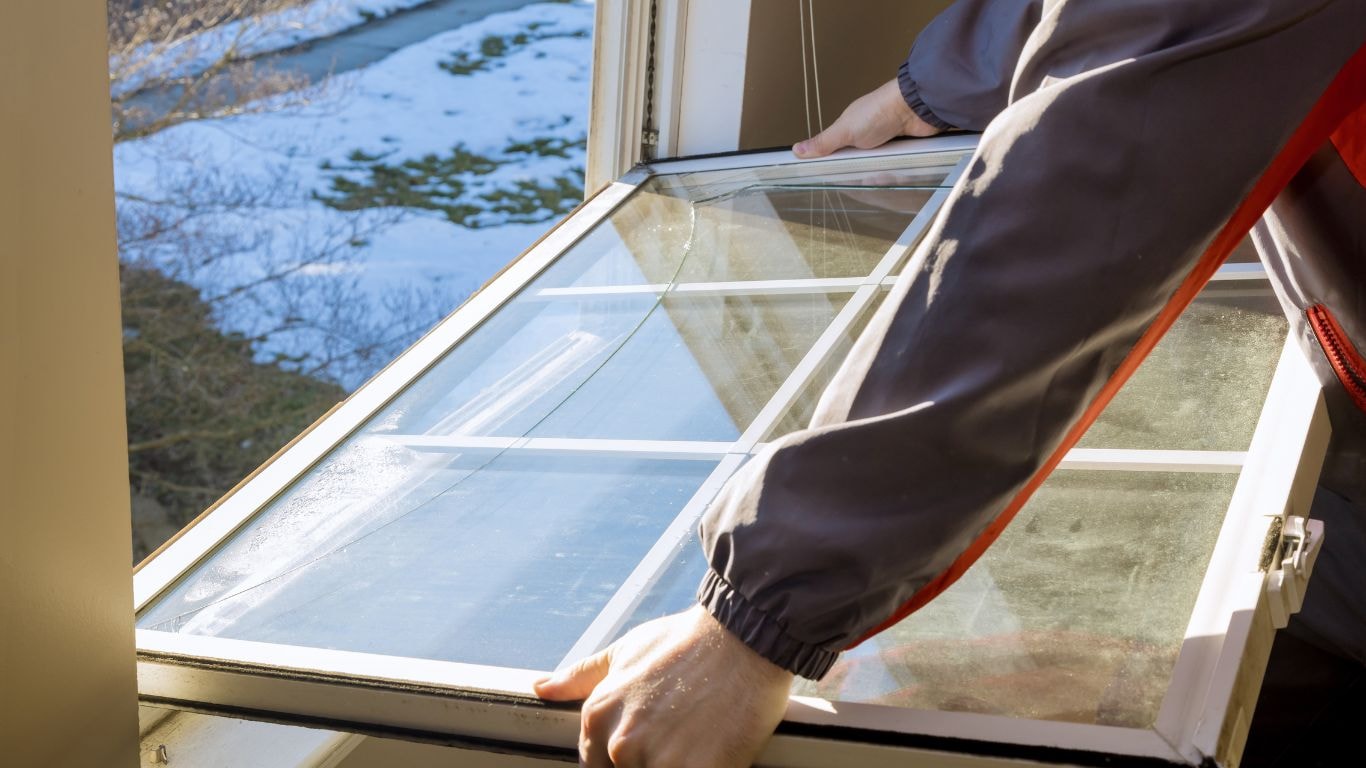
We once heard, “Picking the right window feels like choosing the perfect pair of shoes.” And we couldn’t agree more. This is especially true if you want something that fits well, looks great, and lasts for years.
With so many options out there, the choices can feel overwhelming. But understanding how different window styles impact both your daily living and your budget makes the decision a lot easier.
Let us walk you through the most common window styles and what you can expect cost-wise and functionally.
Single-hung Windows
If you’re watching your budget, single-hung windows are usually the friendliest on your wallet. Only the bottom sash opens, while the top stays put.
This simpler design keeps both material and labor costs down, which often lands these windows in the low hundreds per window after installation, depending on your frame and glass choices.
They’re a practical pick for bedrooms or spots where you don’t need both sashes to move.
Double-hung Windows
Want a bit more flexibility? Double-hung windows let both the top and bottom sashes slide up and down, making them easier to clean and great for controlling airflow.
Because of the added mechanics and usually sturdier frames, they do cost a little more than single-hung versions. Still, they’re a favorite among many homeowners for striking a nice balance between convenience and price, with most installed units landing in the mid-price range.
Casement and Sliding Windows
Casement windows, which open outwards with a crank, are outstanding when it comes to ventilation and sealing out drafts. They tend to look great in modern homes.
Sliding windows, on the other hand, glide open horizontally and fit well in spaces where you want sleek, minimal trim.
Both styles typically fall around the same price as mid-range double-hung windows, though the final cost depends on size and hardware details.
Bay and Bow Windows
If you’re looking to make a real statement, bay and bow windows add extra space, light, and architectural flair to any room. But these beauties do come with a bigger price tag.
Because they require custom framing, sometimes structural work, and longer installation, you’re generally looking at starting prices in the low thousands, often more, depending on size and finish.
If you plan a bay or bow, budget for both the window units and the added carpentry and flashing work required for a watertight install.
Window Upgrades That Affect Price
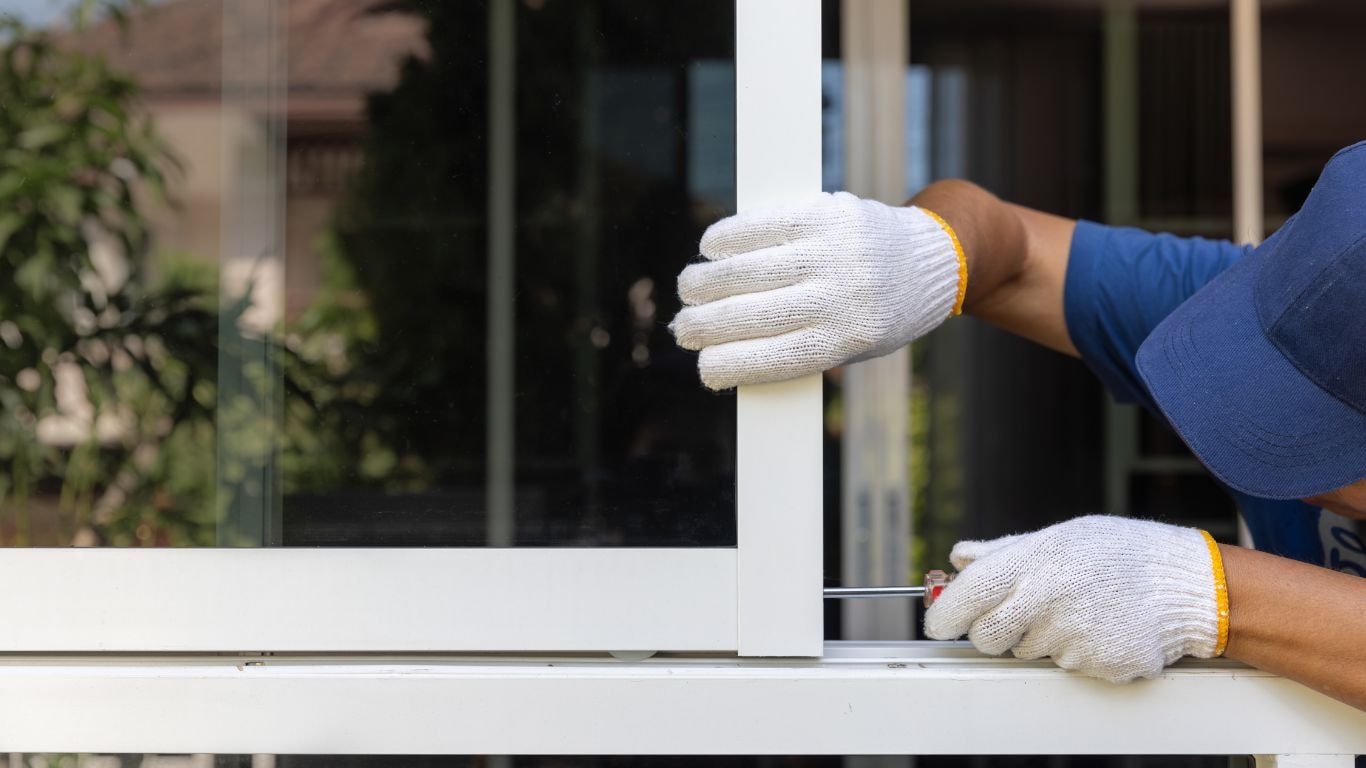
Not all windows are built the same, and the upgrades you choose can significantly impact both the price and the value they bring to your home. While these extras might bump up your upfront costs, they often pay for themselves by making your living space more comfortable, energy-efficient, and appealing when it’s time to sell.
Energy-Efficient Windows
Upgrading to double-pane or triple-pane glass comes with a higher price tag, but the payoff is lower energy bills and a more comfortable home.
According to Realtor.com, on average, homeowners can recoup around 85% of the replacement windows cost when selling their home.
Adding argon or krypton gas fills between panes further boosts insulation, helping reduce drafts and outside noise.
Frame Material Upgrades
While vinyl and aluminum frames are budget-friendly, choosing premium materials changes both cost and performance. Composite frames offer excellent durability with minimal maintenance, while high-end wood species or custom stains can improve your home’s curb appeal, but also add several hundred dollars per window.
Extra Features
For homeowners looking for more than just glass and frames, there are plenty of upgrades:
- Smart tinting glass that adjusts with sunlight.
- Impact-resistant glass for storm-prone areas.
- Soundproofing for homes in busy neighborhoods.
Understanding Labor Costs When Installing Windows
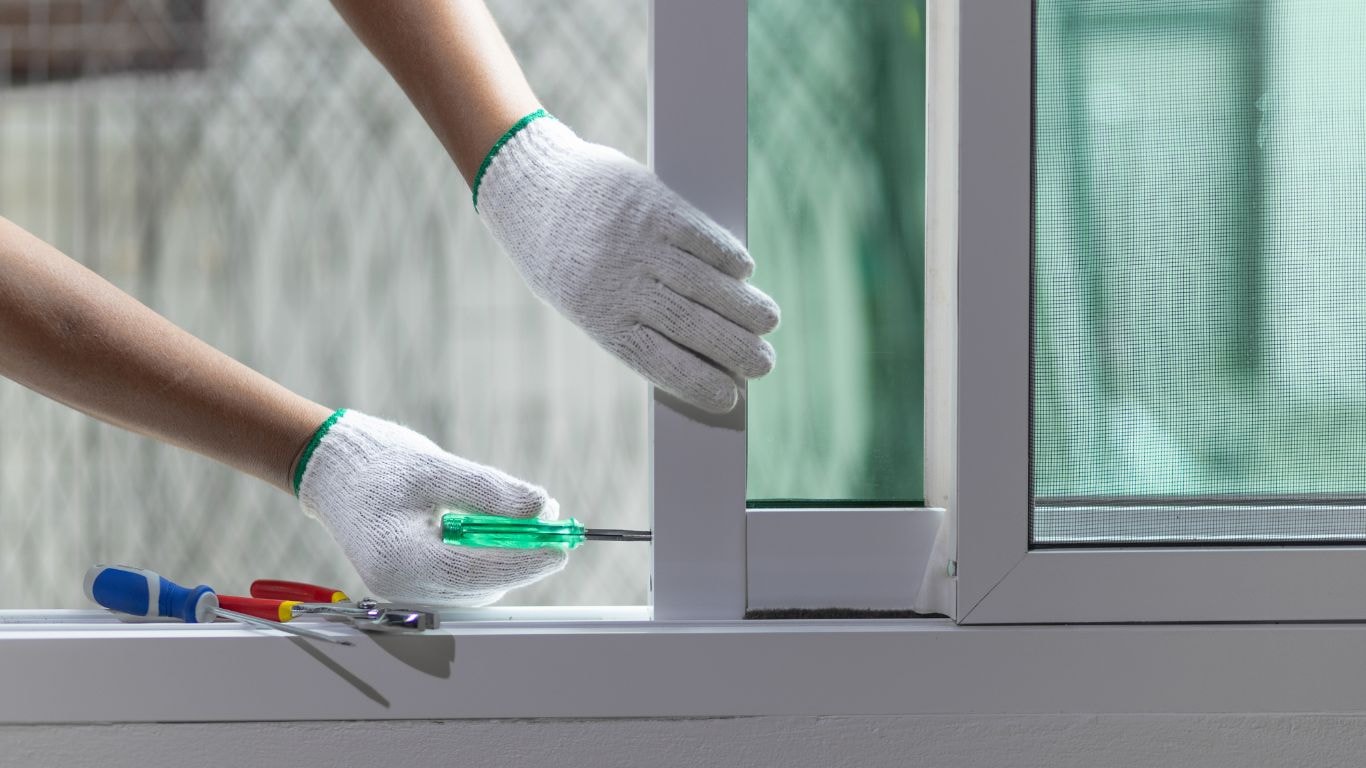
When it comes to replacing your windows, labor costs are one of those hidden details that can really catch you off guard. It’s tempting to think, “Maybe I can just handle this myself,” but the truth is, a professional install is often what saves you from bigger headaches down the road.
Professional vs. DIY
Hiring a pro typically adds between $100 and $300 per window to your bill, but that investment buys you airtight seals, warranty coverage, and peace of mind.
Cutting corners with a DIY approach might save some cash upfront, but mistakes like gaps or leaks can lead to drafts, water damage, and even void your warranty, which could cost a lot more in the long run.
Installation Methods Matter
There’s also a big difference between retrofit installations and full-frame installations. Retrofit means placing new windows into your existing frames, which tends to be quicker and less expensive.
But if your frames are damaged or your home is older, a full-frame replacement, where the entire window and frame are swapped out, might be worth the extra cost for long-term quality and peace of mind.
Regional Pricing Differences
Where you live plays a role, too. In bustling cities, higher demand and costs of living usually push labor prices up. At the same time, rural regions may offer more affordable labor, though sometimes at the expense of fewer available installers.
Trying to figure out the average cost to replace windows can feel like solving a puzzle. There are so many pieces to consider. But breaking it down step-by-step helps you get a clear picture and take control of your budget without any surprises.
Step-By-Step Budgeting
To get a realistic sense of your project’s cost, walk through these steps:
- Decide how many windows you’re replacing.
- Choose your window style and frame material.
- Factor in labor costs based on installation complexity.
- Add optional upgrades like energy-efficient windows or soundproofing.
Upgrading from single-pane to double-pane windows can reduce annual energy bills by as much as 13%. Add features like Low-E coatings, and you’ll spend more upfront but save more long-term.
Many homeowners also qualify for federal tax credits, up to $600, if their new windows meet Energy Star requirements, further lowering the effective cost.
Typical Cost Breakdown Example
To give you a real-world idea: replacing 10 mid-range double-hung vinyl windows usually runs around $7,000, including labor. If you’re going for a whole-home upgrade with wood windows, expect to budget anywhere from $12,000 to $20,000, depending on the finishes and any custom touches you choose.
Conclusion: How Much Does It Cost To Replace Windows?
Replacing your windows in 2025 comes down to the choices you make, from materials and upgrades to installation. Whether you’re going for budget-friendly vinyl or high-end wood with all the energy-saving bells and whistles, knowing what affects the price helps you plan smart.
Looking for the perfect windows for your home and budget? Let’s get started on making your space more comfortable, efficient, and beautiful today.
Frequently Asked Questions
Have questions? We’re happy to help!
What Is the Average Cost of Replacement Windows?
Most homeowners pay $300 to $1,000 per window, depending on style, size, and materials.
Is It Cheaper To Replace All Windows At Once?
Yes. Replacing windows in bulk often lowers the per-unit price and reduces labor costs since installers can complete the work more efficiently.
Is It Expensive To Have Windows Replaced?
It can be a significant investment, but it’s one that often pays off in the form of lower energy bills, increased comfort, and higher home value.
Is It Worth Replacing 20-Year-Old Windows?
In most cases, yes. Older windows lack today’s insulation technology, which means higher energy bills and drafty rooms. Modern replacements offer superior performance, security, and aesthetics.